
NYC: "Reading scores fall sharply"; especially for 3rd graders
- 10 hours ago
- 2 min read
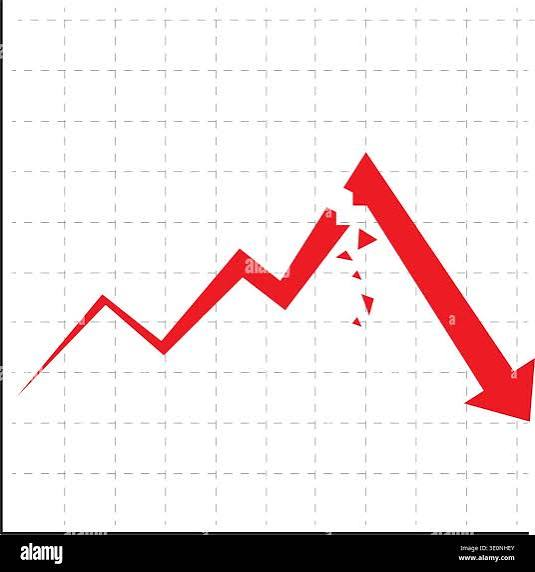
Reading scores sank in New York City last school year, with a nearly 14 percentage point decline among third graders, according to preliminary data released Friday.
Among students in grades 3-8, about half were proficient in reading, a decline of 6 percentage points. That nearly erases a 7 percentage point spike the year before. Math scores were flat, with 57% of students considered proficient.
The declines in reading proficiency were most pronounced in grades 3-5. In addition to the dramatic decline in third grade, fourth grade scores fell nearly 6 percentage points, and fifth grade scores fell by 13 points.
The unusually steep drop in reading proficiency comes as the city is heading into its fourth year of a major shakeup in literacy instruction. All elementary schools are required to use approved curriculums that officials contend line up with the science of reading, a longstanding body of evidence about how children learn to read. A growing number of middle schools are in the process of adopting new reading curriculums, too.
City officials vowed to conduct an analysis of the sharp fluctuations in reading scores. . . .
The city’s teachers union has supported the elementary reading curriculum changes, but criticized the Education Department’s approach in response to the latest scores.
“We have to refocus on what we know works in literacy — a clear plan, a tailored science of reading curriculum, and meaningful professional development for educators,” Mary Vaccaro, the union’s vice president for education, said in a statement.
She said the Education Department “abandoned that approach” last year and “piled on additional programs, assessments, consultant’s recommendations and curriculum in the hopes that ‘more’ would equal better, and we lost ground.”
Mayor Zohran Mamdani has vowed to double down on the literacy and math curriculum overhauls launched by his predecessor. In May, he announced plans to expand the math curriculum mandate into elementary schools, a move the union also criticized. . . .
Test scores alone can’t prove whether a policy is working because many factors influence them. But city officials pointed to the dramatic 7 percentage point spike last year as evidence the new reading programs are paying dividends.
The reading proficiency declines mirror a similar 5 percentage point drop across the state. Some testing experts told Chalkbeat this week that whipsawing scores are unusual and raise questions about whether there are irregularities in the exams.
Andrew Ho, a Harvard professor who serves on a panel of experts who are paid to advise New York on its state assessment system, said the state exams are carefully constructed. . . .
Others worried that there was an unidentified problem with the tests. Emily Oster, a professor of economics at Brown University who has studied patterns in state assessment results, said the swings were reminiscent of COVID-era disruptions but without an obvious cause. . . .
A spokesperson for the state’s Education Department said that the state conducts two independent audits of its assessments each year and those reviews have not flagged any problems.. . .


Comments